
In the world of Chainsaw Man, the death of Power at the hands of Makima is a moment that left fans reeling.
This shocking event not only marked a significant turning point in the series but also deepened the complexities of the characters involved. If you’ve been wondering Why did Makima kill Power?
This article will dive deep into the reasons behind this brutal act and its impact on the story’s progression.
Read on to uncover the motivations and symbolic meaning behind this devastating moment in Chainsaw Man and find out Why Did Makima Kill Power at HariManga.
Why did Makima Kill Power?
Makima’s decision to kill Power was not simply a plot twist for shock value; it is a crucial development that serves multiple narrative and thematic purposes.
To truly understand why Makima killed Power, we need to consider their relationship, the power dynamics, and the philosophical conflict at play.
Makima’s Desire for Control
One of the main reasons Makima killed Power was her overwhelming need for control. Throughout Chainsaw Man, Makima is portrayed as a manipulative and cold character, always striving to maintain dominance over others, including the powerful devils she commands.
Power, despite being a formidable force, does not fit into Makima’s vision of a controlled world.
Power’s rebellious nature and unpredictable behavior made her a threat to Makima’s order, prompting her to eliminate the risk she posed.
The Desire to Break Denji
Another key factor is Makima’s manipulation of Denji. By killing Power, Makima effectively breaks Denji, who was Power’s closest ally and one of the few people she cared for.
Power’s death serves as a catalyst for Denji’s emotional downfall, making him more malleable to Makima’s influence.
This strategic move shows Makima’s ruthlessness in using others as pawns to achieve her ultimate goal, ensuring Denji’s complete submission to her will.

Power’s Role in Denji’s Life
Power’s relationship with Denji was one of the few bonds in the series that was genuine, filled with both humor and emotion.
When Makima kills Power, it strips Denji of one of his closest companions, forcing him to confront the harsh reality of Makima’s manipulations.
The death of Power serves as a dark commentary on the human cost of Makima’s pursuit of power and control.
Power as a Symbol
Power’s death also symbolizes the loss of innocence and the harsh realities of the world Makima is trying to control.
Power, as a character, represented a chaotic yet free spirit, unbound by the constraints that Makima sought to impose. Her death marks the death of that freedom, pushing Denji further into the world of manipulation and control.
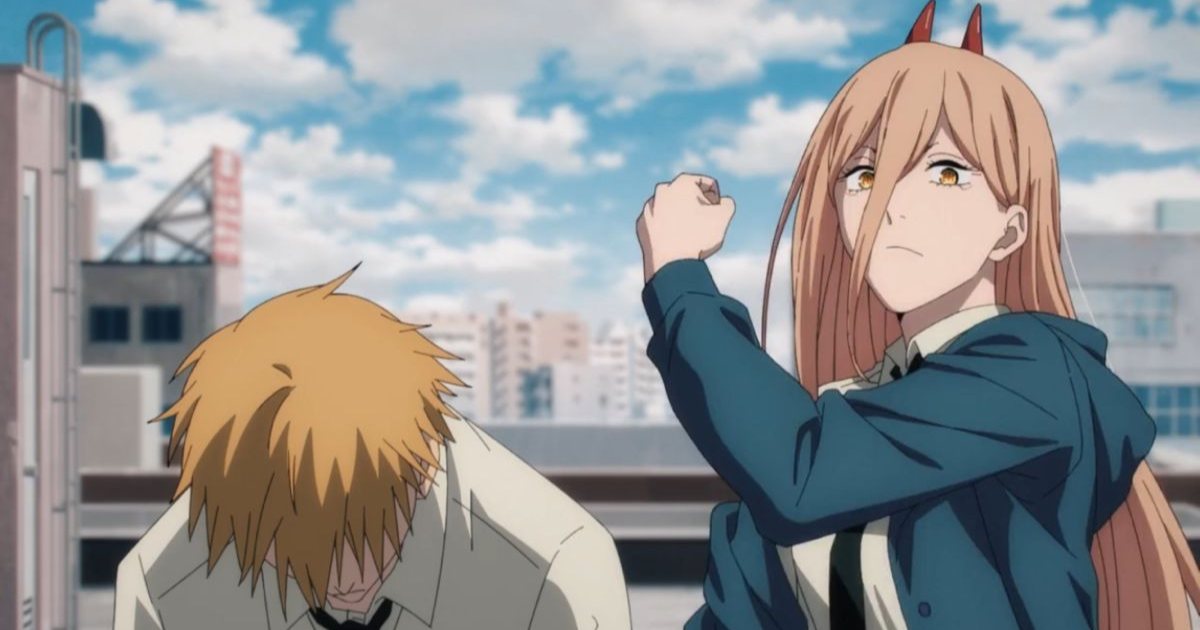
The emotional and narrative impact of Power’s death
The death of Power was not just an event that affected the characters directly involved; it had far-reaching consequences for the entire narrative of Chainsaw Man.
Why Did Makima Kill Power? This question goes beyond just a plot twist, as it reveals deeper themes and shifts in the story.
Let’s examine the broader implications of her death on the story and other characters.
Denji’s Emotional Transformation
Denji’s emotional journey after Power’s death is one of the most significant developments in Chainsaw Man.
As one of the central Chainsaw Man characters, Denji initially values personal relationships and bonds. However, after losing Power, he becomes a more isolated figure, further manipulated by Makima’s control.
This marks a key shift in Denji’s character arc, as he transitions from someone seeking companionship to a pawn in Makima’s game.
Makima’s Power over Denji
Makima’s ability to manipulate and control Denji is reinforced by Power’s death.
By taking away someone Denji deeply cares about, Makima ensures that Denji will never again experience the emotional freedom he once had.
The emotional devastation Denji feels is a powerful tool for Makima, and it highlights the extent of her dominance over him.
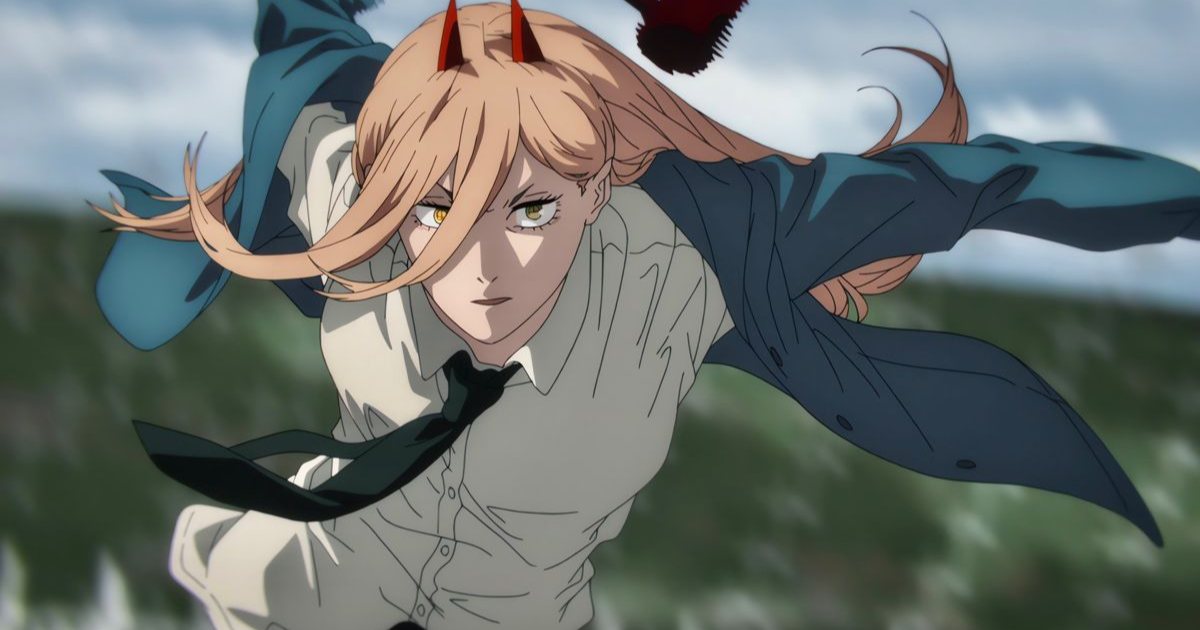
Power’s legacy in the story
Power’s legacy, despite her death, remains significant in Chainsaw Man. She served as a source of humor, emotional depth, and even conflict within the narrative.
Her death, while tragic, pushes the story forward, contributing to the larger themes of loss, power, and human connection.
In this way, Power’s sacrifice serves a greater purpose, shaping Denji’s path and the trajectory of the series.
FAQs: Why did Makima kill Power?
As we dive deeper into the motivations behind Makima’s actions, you may still have lingering questions.
In the following section, we address some of the most frequently asked questions about Why Did Makima Kill Power.
Was Makima’s decision to kill Power purely out of hatred?
No, Makima’s decision wasn’t driven by hatred alone. While she certainly saw Power as a threat, the primary reason for killing her was to exert control over Denji and to solidify her own dominance in the world.
Power’s rebellious nature and emotional bond with Denji made her a symbol of resistance that Makima could not tolerate.
How does Power’s death affect Denji emotionally?
Power’s death has a profound emotional impact on Denji. It’s a major turning point in his character development, as he loses one of his closest companions.
This loss marks Denji’s deepening descent into Makima’s web of manipulation and serves to isolate him even further.
What does Power’s death reveal about Makima’s character?
Power’s death showcases Makima’s true nature as a manipulative and cold-hearted figure.
She is willing to sacrifice anyone, even those she claims to care for, in her quest for ultimate control.
Her actions reveal the extent of her emotional detachment and her capacity for cruelty in pursuit of power.
Why is Power’s death such a pivotal moment in Chainsaw Man?
Power’s death is pivotal because it marks a critical shift in Denji’s emotional arc and serves as a turning point in the story.
It highlights the lengths to which Makima will go to assert control and demonstrates the high stakes of the battle between freedom and control that runs throughout the series.
Could Power have survived if Denji had done things differently?
It’s difficult to say for certain, but Denji’s emotional vulnerability and the complexity of his relationship with Makima played a key role in Power’s death.
Had Denji been more aware of Makima’s manipulations earlier, there might have been a chance to save Power.
However, Denji’s connection to Makima made him vulnerable to her schemes, ultimately leading to Power’s tragic demise.
Makima’s decision to kill Power was not just a plot twist but a key narrative device that deepened the story’s exploration of manipulation, control, and loss.
It showcased Makima’s true nature as a manipulator and served as a heartbreaking moment for Denji, who was left emotionally shattered. Ultimately, Power’s death marked a significant shift in Chainsaw Man, pushing Denji into even darker emotional territory.
If you’re curious about the deeper motivations behind Makima’s actions and the impact on the story, visit HariManga for more in-depth analysis and updates on Chainsaw Man.
