
Manga is Japanese comics meant to be read (typically black and white and read right to left), while anime is Japanese animation meant to be watched (with color, motion, music, and voice acting).
The key difference is that manga is often the original source material – more detailed and flexible to read at your own pace – whereas anime is frequently an adaptation, making it more accessible, more immersive, and quicker to gain mainstream popularity.
They still share many similarities in genres, tropes, and fan communities, and which one is “better” ultimately depends on whether you prefer reading or watching.
Explore “what is the difference between manga and anime” with HariManga in the article below to choose the format that best fits your preferences.
What is manga?
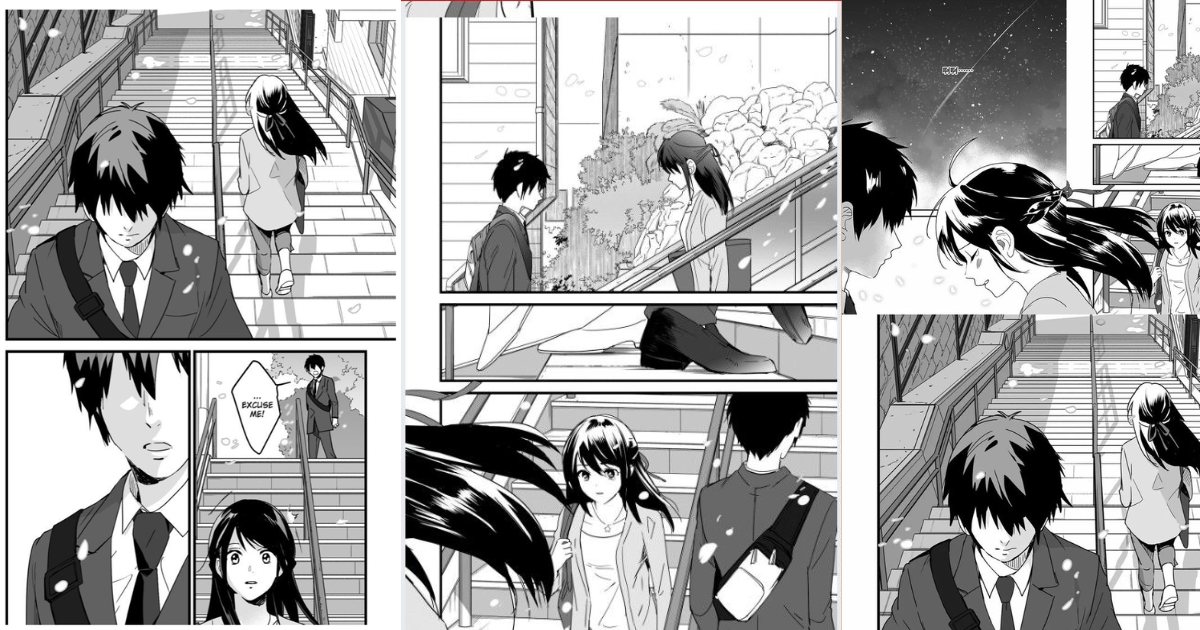
Manga is Japanese comic art, typically drawn in a distinctive style and read from right to left (following the traditional Japanese page direction).
Manga covers a wide range of genres from action and romance to horror, slice of life, and more.
Key characteristics of manga:
- Origin: Japan.
- Art style: Highly varied, ranging from simple to extremely detailed and expressive.
- Color: Most manga is black and white, giving it a clean, minimalist look that differs from many full-color Western comics.
- Reading direction: Top to bottom and right to left.
- Genres: Extremely diverse, with titles for children, teens, and adults.
- Role: Often serves as the source material and inspiration for anime adaptations and even video games.
What is anime?
Anime (アニメ) is the term for animated works produced in Japan or animation made in a distinctly Japanese style.
The word comes from the English “animation,” and anime is globally known for its recognizable visuals (often large eyes, expressive faces), as well as rich storytelling across many genres.
Many anime series are adapted from Japanese manga, bringing printed stories to life on screen.
Anime includes TV series, theatrical films, and OVAs (Original Video Animation) and it has major cultural influence worldwide, covering themes from comedy and romance to sci-fi and horror.
Key characteristics of anime:
- Origin: Japan.
- Visual style: Detailed character designs, vivid colors, and expressive faces (often with large eyes).
- Storytelling: Wide-ranging genres (action, adventure, school life, romance, sci-fi, horror, etc.) with narratives that can be deep and emotionally engaging for all ages.
- Formats: TV series, movies, and OVA (Original Video Animation).
- Connection to manga: A large number of anime titles are adaptations of Japanese manga, turning comic panels into animated scenes with motion, music, and voice acting.
What is the difference between manga and anime?
Many people who are new to Japanese pop culture often assume manga and anime are the same thing, but they are actually two different formats.
Understanding what is the difference between manga and anime will help you grasp each medium more clearly and choose the one that suits your preferences.
Quick comparison table
| Factor | Manga | Anime |
| Origin | Often the original work created by the mangaka | Often adapted from manga/light novels/games |
| Term origin | 漫画: Japanese comics | アニメ: shortened from “animation” |
| Format | Comics (panels, page layout) | Animation (motion, directing/staging) |
| Content | Flexible and often more detailed; less constrained by runtime | Adjusted to fit episodes/seasons; may cut/alter/add content (filler) |
| Experience | More active/readers imagine sound and pacing | Full audiovisual experience (voice acting, music, effects) |
| Popularity & reach | Strong within reader communities; long-lasting over time | Easier to go viral; reaches mainstream audiences faster |
| Convenience | Easy to read in short bursts; quick to revisit details; flexible timing | Easy to watch passively; great for entertainment, but often requires time per episode/continuous viewing |
Below is a detailed breakdown of what is the difference between manga and anime:
Origin
- Manga: Often the original work created by a mangaka, published in installments and later collected into volumes.
- Anime: Largely an adaptation (from manga, light novels, or games), so it may closely follow the source material or adjust the story to fit runtime and production goals (sometimes with filler).
Term origin
- Manga (漫画): Commonly understood as “Japanese comics.” The term became widely used from the 19th century (often associated with sketch collections such as “Hokusai Manga”) and later became the standard label for modern Japanese comics.
- Anime (アニメ): A Japanese abbreviation of “animation.” In Japan, it can refer to animation in general; internationally, it typically refers to Japanese-style animation.
Format
- Manga: Tells the story through panels, page layout, dialogue, and sound-effect text; readers control the pace.
- Anime: Tells the story through moving images, camera angles, editing, lighting, and direction; the pacing is set by the production.
Content and storytelling
- Manga: Often more detailed (inner monologues, smaller story beats, intricate artwork) because it isn’t limited by episode runtime.
- Anime: Must fit episodes/seasons, so it may cut, combine, reorder, or add scenes to match broadcast pacing.
Viewing/reading experience
- Manga: A more active experience/readers imagine sound and timing, which suits people who like to examine details and read at their own speed.
- Anime: A complete audiovisual experience (voice acting, music, effects), ideal for those who prefer direct, immersive emotional impact.
Color and effects
- Manga: Mostly black and white; mood is conveyed through linework, composition, facial expressions, and on-page sound effects.
- Anime: Full color with seiyuu (voice actors), OST, and SFX, which often makes atmosphere and emotions hit faster.
Release schedule and pacing
- Manga: Published on a weekly/monthly schedule; flexible to read in short bursts.
- Anime: Released on broadcast/streaming schedules, usually by seasons; gaps between seasons can be long due to production.
Production cost and technical constraints
- Manga: Primarily produced by the author and assistants, making long-term serialization easier to maintain.
- Anime: Requires large teams and post-production; quality can vary depending on budget and deadlines.
Convenience
- Manga: Easy to revisit specific scenes, read anywhere, and fit into a busy schedule.
- Anime: Easy to consume passively and enjoy socially, but often requires time to watch episode-by-episode.
Popularity and reach
- Anime: Often spreads faster because it’s easier to access/viewers can simply press play, and clips (openings/endings, standout scenes, memes) are highly shareable on social media.
- Manga: Remains extremely strong (especially in Japan and among dedicated readers), but international “mainstream” breakout can be slower due to reading habits, reading direction, translation availability, and platform access.
Một số điểm tương đồng giữa manga và anime
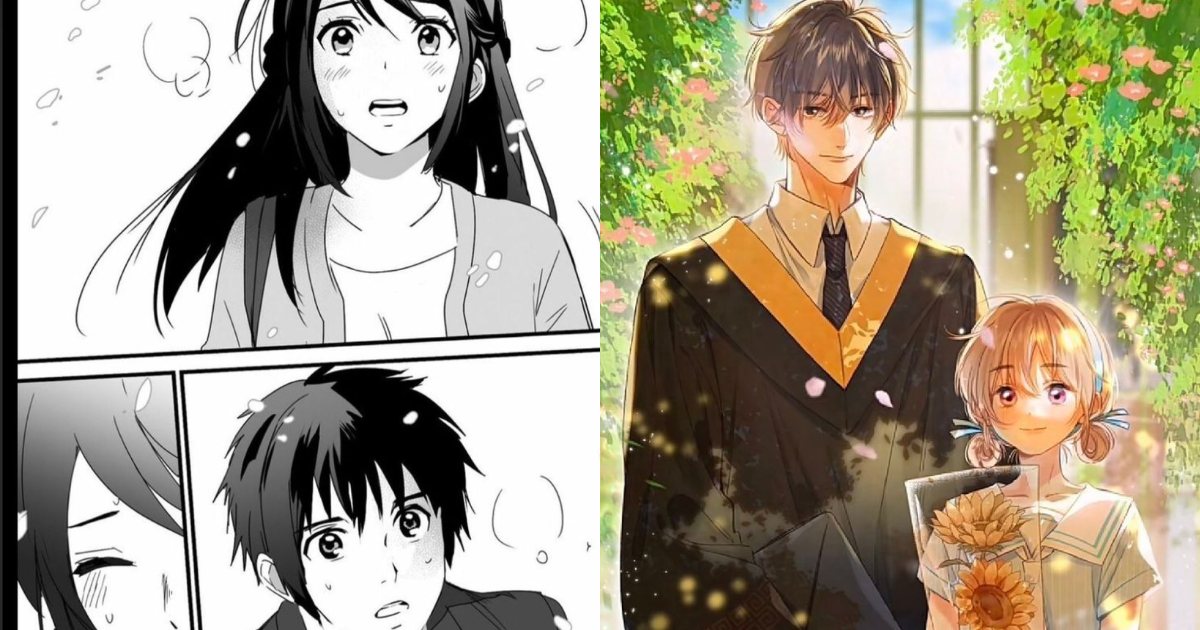
Besides the differences, manga and anime share many important similarities.
Understanding these common points helps explain why they’re often discussed together and makes it easier to choose the format that fits your preferences.
- Both are visual storytelling mediums, focused on characters, settings, and emotional pacing.
- Both share similar genre systems (shounen, shoujo, seinen, isekai, slice of life, horror, romance…).
- Both rely on familiar tropes and story structures, such as coming-of-age journeys, team dynamics, rivals, plot twists, and arc-based climaxes.
- Both often build expansive story worlds (worldbuilding, rules, character lineups) to keep audiences engaged long-term.
- Both can create strong fan communities discussion, fanart, cosplay, collecting, and ongoing fandom culture.
- Both frequently support each other through adaptation: anime brings new readers to the manga, while manga provides source material and extra depth.
- Both aim to entertain and communicate themes, including friendship, family, ambition, psychology, and social issues.
- Both are shaped by audience trends and market demand, so “hot” genres often rise in popularity across both mediums at the same time.
That’s why, when exploring what is the difference between manga and anime, it’s also useful to consider broader audience trends since certain genres can surge in both manga and anime during the same periods.
Is anime or manga better?
Once you understand what is the difference between manga and anime, it becomes clear there’s no single “better” choice for everyone.
They simply deliver stories in different ways, so the best option depends on your preferences and entertainment habits.
Choose manga if you:
- Want a story that stays closer to the source material, with fuller dialogue/inner monologues and the creator’s original pacing.
- Want to get ahead of the story (faster to read, less waiting for new seasons).
- Have a busy schedule and need something flexible easy to read in short sessions and quick to revisit specific details.
- Prefer experiencing the story through artwork, paneling, and visual composition rather than sound.
Choose anime if you:
- Want color, motion, music, and voice acting for a more immersive emotional impact.
- Like to unwind after school/work or watch with friends.
- Prefer a more accessible format – press play and enjoy without “imagining” the sound and timing yourself.
- Enjoy climactic moments enhanced by direction, OST, and vocal performances.
If you often watch on your phone while commuting, anime works best with a stable connection – while manga is often more convenient for quick reading and offline access (depending on the platform).
For the most consistent experience, consider official licensed platforms for better translations/subtitles and to support creators.
FAQs – Frequently asked questions
Below are common questions that help clarify what is the difference between manga and anime, especially around adaptations, terminology, and specific cases.
Are all anime from manga?
No, many anime adapt manga, but a large and growing portion are original or based on other sources. Anime that adapt serialized or collected manga.
This is historically the dominant model because manga provides ready-made stories, character designs, and fanbases.
Is manga still anime?
Manga and anime are two different things – though they are visually similar and some of the more popular manga series have become anime (see: Sailor Moon and Dragon Ball Z).
Generally speaking, manga refers to graphic novels and anything printed, while anime refers to television or movies.
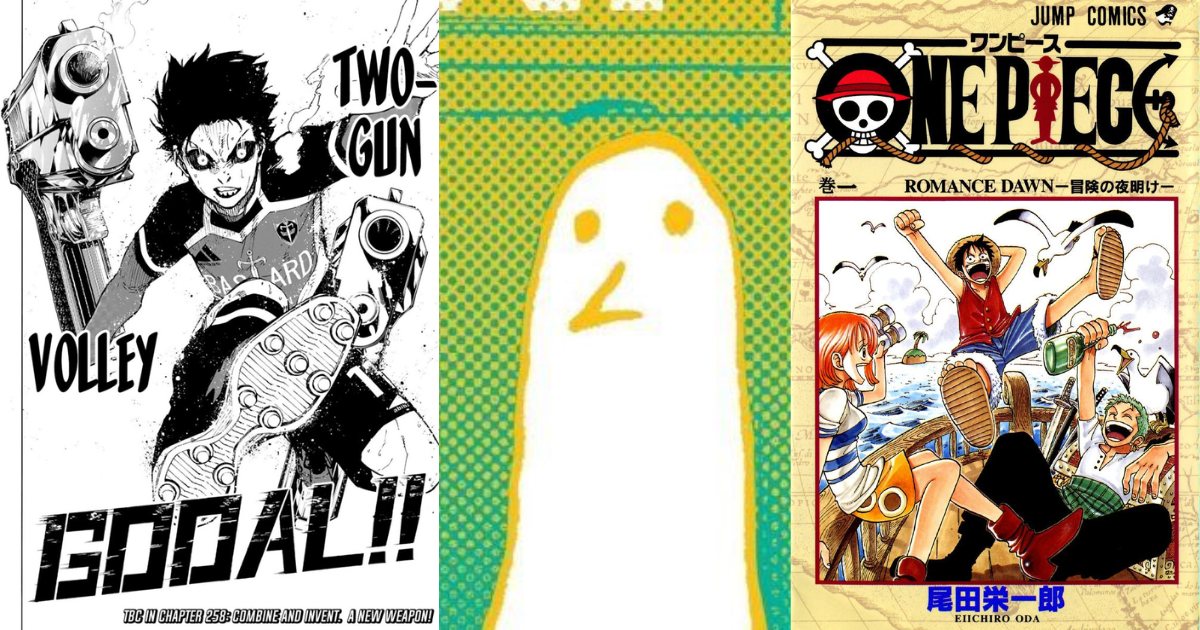
What is the difference between manga and anime in one piece?
The anime is basically a superior version of One Piece.
The manga is like a blue print with black and white incomplete and static images, and the anime is the final product with color, animation, voices, music and the whole complete story (like some fights that aren’t entirely shown in the manga).
What is the difference between manga and anime drawing?
Note that “anime” in Japan technically means any animated film and “manga” is any printed cartoon, but people in the rest of the world take them to mean animated films or comics from Japan.
Why is anime called manga?
It isn’t. “Anime” is short for “animation,” while “manga” means comics.
You may see the term ani-manga, which refers to comics created from animation frames/cels.
What is the difference between anime and cartoons?
Commonly, “anime” refers to Japanese (or Japanese-style) animation, while “cartoons” often refers to Western animation.
Technically, both are animation – the difference is mainly cultural origin, storytelling style, and industry context.
In short, if you’re learning what is the difference between manga and anime, remember this: manga is comics you read and anime is animation you watch.
Manga is often more detailed and flexible, while anime feels more vivid through color, motion, music, and voice acting.
HariManga hopes this guide helps you choose whether to read the manga or watch the anime first – so you can enjoy Japanese pop culture in the way that fits you best.
