
Shojo manga is a genre of Japanese comics primarily aimed at young girls, focusing on themes like romance, friendship, and self-discovery. It is known for its emotional depth and beautiful, expressive art.
Shojo manga originated in the early 20th century through magazines for women and has since evolved, shaping both manga and anime culture worldwide.
Shojo manga is characterized by expressive art, large eyes, emotional storytelling, and a focus on romance and character growth.
HariManga suggests the top 10 most popular shojo manga series currently available, featuring a variety of romantic love stories.
The term Shojo (少女) is commonly used in manga and anime to refer to the genre for young female readers, while Shounen focuses on action and adventure for boys.
Read the article below to learn more about “what is shojo manga” in detail.
What is shojo manga?
Shojo manga (少女漫画) is a genre of Japanese comics specifically targeted at adolescent girls and young women, focusing on themes like romance, friendship, self-discovery and emotion, often featuring female protagonists and stylized, beautiful art.
While traditionally focusing on love stories, the genre is broad, encompassing fantasy, action, and slice-of-life, with popular subgenres like magical girls (mahō shōjo) and even stories appealing to male audiences.
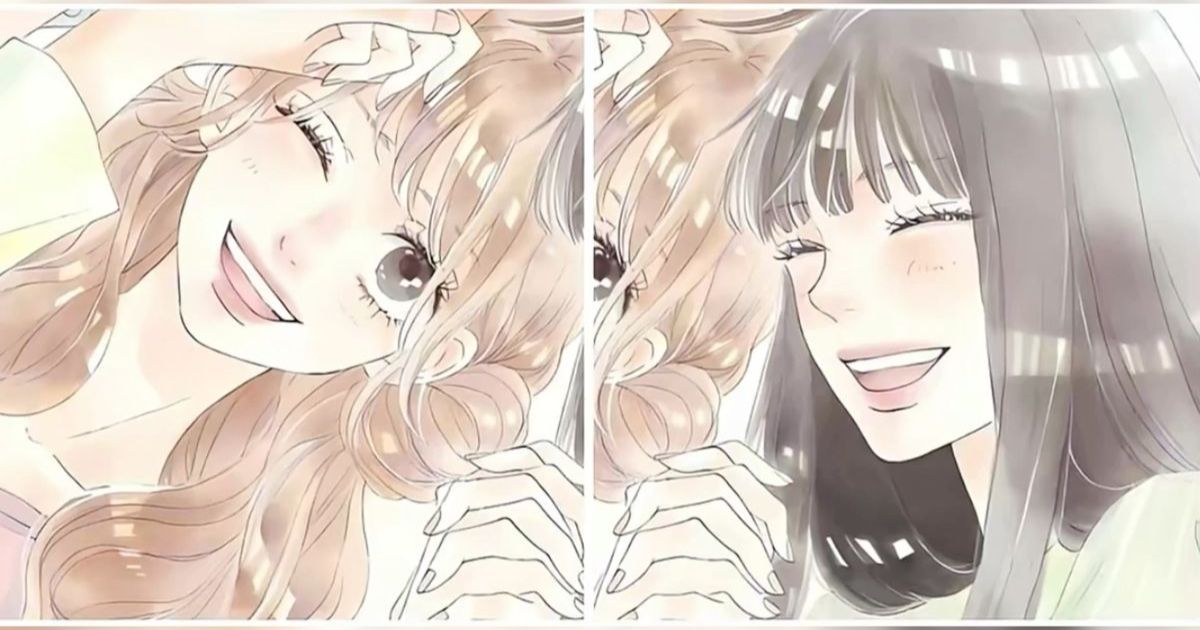
Shojo manga is defined by its target demographic and artistic style, offering diverse narratives about relationships and personal growth that resonate with its young female readership, making it a foundational pillar of Japanese pop culture.
What is the origin of shojo manga?
Shojo manga is a genre of manga specifically targeted at a female audience. This genre has evolved through various historical stages.
History of shojo manga:
- Before 1945: Shojo manga began to emerge with magazines aimed specifically at women, such as Shōjo-kai (1902) and Shōjo Sekai (1906), which focused primarily on illustrated novels and poetry about love and friendship.
- 1945-1970: After World War II, manga grew significantly, with prominent mangaka like Tezuka Osamu introducing a new era of shojo manga featuring long, romantic stories and the rise of female mangaka.
- 1970s: The golden age of shojo manga, marked by the emergence of the Year 24 Group of mangaka and the development of the shōnen-ai genre (male-male romance), which helped bring shojo manga to a broader audience, including male readers.
- 1980-1990s: Shojo manga expanded into subgenres like josei (manga for adult women) and horror, eroticism, catering to the diverse needs of readers.
- 2000s to Present: Shojo manga restructured and embraced a multimedia approach, with many works being adapted into anime and films, continuing to captivate a large audience.
Key characteristics of shojo manga
Shojo manga is a genre that appeals to a wide range of readers, particularly young girls.
Below are the key characteristics that define shojo manga:
- Target Audience: Primarily aimed at young girls, ages 7-19, though enjoyed by readers of all ages.
- Themes: Romance, school life, friendship, coming-of-age, emotional depth, and sometimes supernatural elements or action.
- Art Style: Known for large, expressive eyes, detailed hair, decorative backgrounds, and a strong emphasis on beauty and emotion, influenced by jojōga and kawaii styles.
- Protagonists: Typically female, often featuring relatable teenage girls navigating complex relationships and personal challenges.
- Subgenres: Includes popular subgenres like Mahō Shōjo (magical girl) and Shōnen-ai (boys’ love), showcasing its versatility in storytelling.
These shojo manga characteristics have made the genre a beloved choice worldwide, resonating with readers who enjoy heartfelt stories and beautifully crafted artwork.
How to identify shojo manga
Shojo manga has distinct features that make it easily recognizable. Below are the key characteristics that define this popular genre.
Art style
Shojo manga is known for its delicate art, featuring soft lines, intricate patterns, and sparkling elements. The focus is on character expressions and beautiful backgrounds, creating a captivating visual experience.
Character emotion depiction
A core feature of shojo manga is its deep focus on portraying character emotions, especially through interactions between characters. This emotional connection is key to the genre’s appeal.
Large eyes
One of the defining traits of shojo manga is the depiction of characters with large eyes, or “Dekame” (デカ目). This style highlights emotions and has become iconic in the genre.
Character development
Shojo manga emphasizes character growth, with protagonists often overcoming challenges. This character development empowers readers, especially young girls.
Romantic storylines
Romance is central to shojo manga, with common themes like love triangles and unrequited love. These romantic elements keep readers engaged and excited.
Publication source
A manga is considered shojo if it’s published in a shojo magazine, like Ribon or Shojo Beat. These magazines are staples in the shojo manga community and have helped popularize the genre globally.
Top 10 must-read shojo manga you shouldn’t miss
If you’re a fan of heartwarming romance and captivating characters, shojo manga offers a world of emotional depth and adventure.
Here are the top 10 shojo manga that you should definitely check out:
- Fruits Basket: A high school girl helps the cursed Souma family break a curse tied to the 12 zodiac animals.
- Shugo Chara: Hinamori Amu discovers magical guardian eggs that help her fight against an evil organization.
- Ao Haru Ride: Yoshioka Futaba reunites with her first love, Tanaka, years after they parted ways.
- Honey: Onigase confesses to Nao and, through gentle care, wins her heart.
- Hana Yori Dango: A poor girl navigates a turbulent relationship with the powerful F4 boys at her school.
- Ookami Shoujo to Kuro Ouji: Erika pretends Sata is her boyfriend, leading to a fun, teasing romance.
- Snow White With The Red Hair: Shirayuki escapes an unwanted marriage and begins a journey with Zen, the second prince.
- Kamisama Kiss: Nanami, a new land god and her fox familiar Tomoe build a romantic and humorous relationship.
- Cardcaptor Sakura: Sakura captures magical Clow Cards while developing friendships and love.
- Sailor Moon: Usagi Tsukino transforms into Sailor Moon and joins forces with other Sailor Scouts to protect Earth.
Shojo manga or shoujo manga: Which term is correct?
In Japanese, the term “Shojo” (少女) means “young girl” or “maiden.” Both “Shojo” and “Shoujo” derive from the same root word, but “Shojo” is more commonly used in the Hepburn Romanization system, especially in contexts related to manga and anime.
In English-speaking countries, “Shojo” manga is typically used to refer to a genre of manga specifically targeted at young female audiences. This term is widely accepted in the international manga community and frequently appears in articles, books, and online anime platforms.
Difference between shojo and shounen
Shojo and Shounen are two popular manga and anime genres with distinct characteristics and target audiences. Below is a breakdown of their differences:
Target audience
Shojo is aimed at young girls, typically between the ages of 12 and 18, focusing on romance, relationships, and personal growth.
On the other hand, Shounen targets young boys, generally between the ages of 12 and 18, with a focus on action, adventure, and competition.
Story themes
Shojo manga often centers around romance and emotional relationships with strong female protagonists who overcome challenges in love and life.
In contrast, Shounen manga typically tells the story of a male protagonist on a journey to become the strongest, the best, or the most skilled.
Storytelling style
Shojo manga and anime emphasize character development, relationships, and personal growth, often with dreamy, romantic music and soft colors.
Shounen, however, focuses more on action and adventure, with dynamic music and vibrant scenes to convey excitement and thrill.
Art style
Shojo manga is characterized by delicate, detailed artwork, with intricate character designs, elaborate outfits, and beautiful backgrounds.
Shounen manga features bold, dynamic art with strong, muscular characters and intense fight scenes with impressive special effects.
While Shojo and Shounen appear to be very different, there are some overlaps. Some Shojo anime and manga include action and adventure, while certain Shounen stories also feature romance and relationships.
Additionally, some manga genres, like sports manga, appeal to both genders.
FAQs – Some frequently asked questions about “what is shojo manga”
Shojo manga is a genre that attracts a large number of readers. As a result, many people often wonder the question, “What is shojo manga?”.
What does shojo mean in manga?
The word shoujo literally means “girl,” and in Japan, shoujo manga is simply manga for teen and tween girls. The category spans a variety of genres, including high school romance, fantasy, and action tales
What makes a manga a shoujo?
Shoujo is the demographic of young girls. Shoujo manga and anime are any manga and anime targeted at teenage girls and young women. Romance is a genre that’s popular in shoujo, but it’s just a genre. Josei is the demographic of adult women, so josei manga/anime are manga/anime targeted at an adult female audience.
What’s the difference between shonen and shojo?
Shonen is a magazine for manga. Shojo is a magazine for manga. One targets story’s aimed more towards male teens, the other more towards female teens.14
What age group is shōjo for?
Shōjo (少女) is manga (Japanese comics) made for young girls, normally ages 7-19. One of the most popular shōjo manga series is Sailor Moon.
What is the opposite of shojo?
In contrast to shōjo manga, which often focuses on the thoughts and interior monologue of the hero, shōnen typically advances plot through dialogue and action.
In conclusion, understanding “what is shojo manga” introduces you to a world of romance, character growth, and emotional depth. Whether you’re a long-time fan or new to the genre, shojo manga offers something for everyone. At HariManga, we hope this guide helps you explore the charming world of shojo manga!
