
The article explains what is a harem across different contexts: a historical women’s quarter in elite households and courts (older than Islam and found in multiple regions), a group of women linked to one man, a biological term (one male with multiple females), and a figurative modern use.
In Japanese anime and manga, “harem” is a popular setup where one main character attracts multiple love interests, with many variations and subgenres.
HariManga‘s article also covers why the trope is popular worldwide, its influence on Japanese culture, and a few practical tips for choosing and watching harem titles.
What is a harem?
A harem is traditionally a secluded part of a Muslim home reserved for women (wives, female relatives, servants, concubines) or more broadly, a group of women associated with one man, often in a polygamous or fictional context, sometimes guarded by eunuchs, and historically found in many Middle Eastern, Asian, and African cultures, not just Muslim ones.
The term also refers to animal groups where one male dominates females, and in pop culture, a genre where one protagonist is surrounded by many admirers.
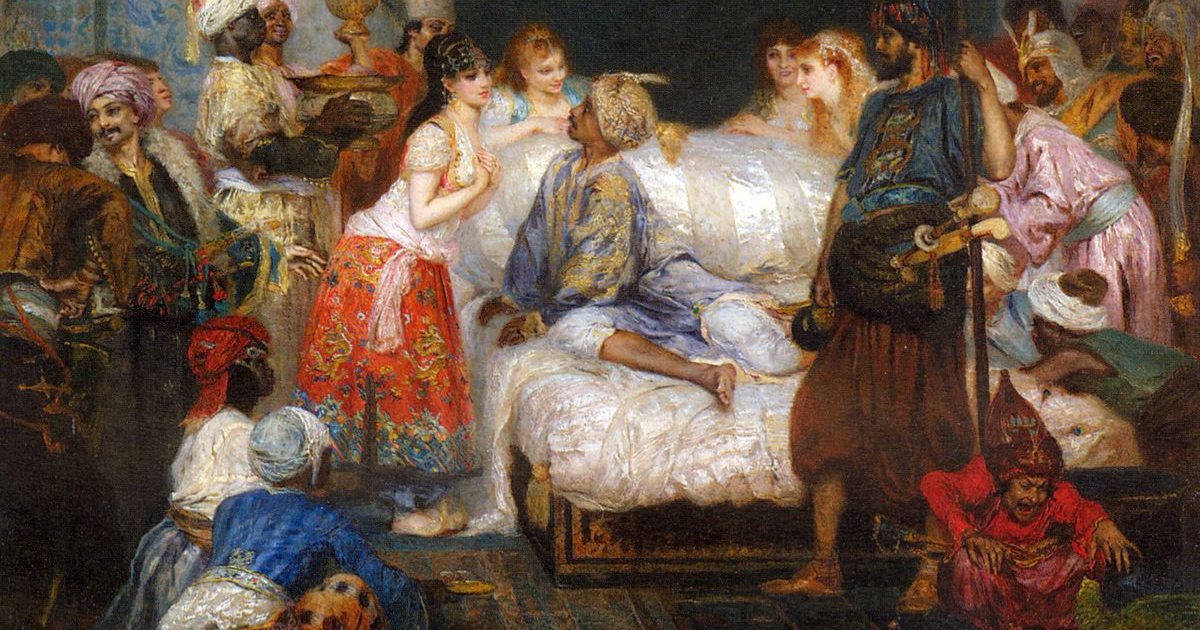
The origin of the harem
The idea behind a harem is older than many people think. Similar private women’s quarters existed long before Islam. Versions of this system appeared in pre-Islamic societies across the Middle East and North Africa, and also in parts of Asia, including China, Japan, and India.
In elite homes and royal courts, these spaces were tied to privacy, family status, and social hierarchy.
In many historical empires, entry to the harem area was strictly controlled. This reflects what is a harem in its original sense: a protected domestic space.
Guards were often eunuchs, meaning castrated men who could access the women’s quarters without breaking the rules of seclusion. They managed security, enforced boundaries, and controlled movement in and out.
A famous example comes from the Ottoman Empire. The imperial harem at Topkapi Palace in Istanbul became a large and organized institution, housing many women and a sizeable staff, including eunuchs.
Over time, it developed into a complex system within the palace, shaped by court customs, power structures, and daily life.
What are the key characteristic of a harem?
A harem can describe a real household space, a social system, or a modern pop-culture trope – so if you’re wondering what is a harem, the meaning depends on the context.
Here are the key traits, in clear terms with context across regions and uses.
- Physical space (private quarters): A secluded part of a home or palace for women, separated from public areas, common in many historical courts across the Middle East, North Africa, and parts of Asia.
- The women in the harem: Usually wives, concubines, daughters, female relatives, and servants who lived or stayed within that protected area.
- Polygamy or “one man, many women” concept: In some societies, the word is used for a group of women connected to one man, and it is also a common setup in fiction.
- Animal behavior meaning: In biology, a “harem group” is when one male controls access to multiple females, seen in species like seals or elk.
- Figurative modern use: Informally, it can mean a circle of devoted admirers around a high-status person, especially in entertainment and online culture.
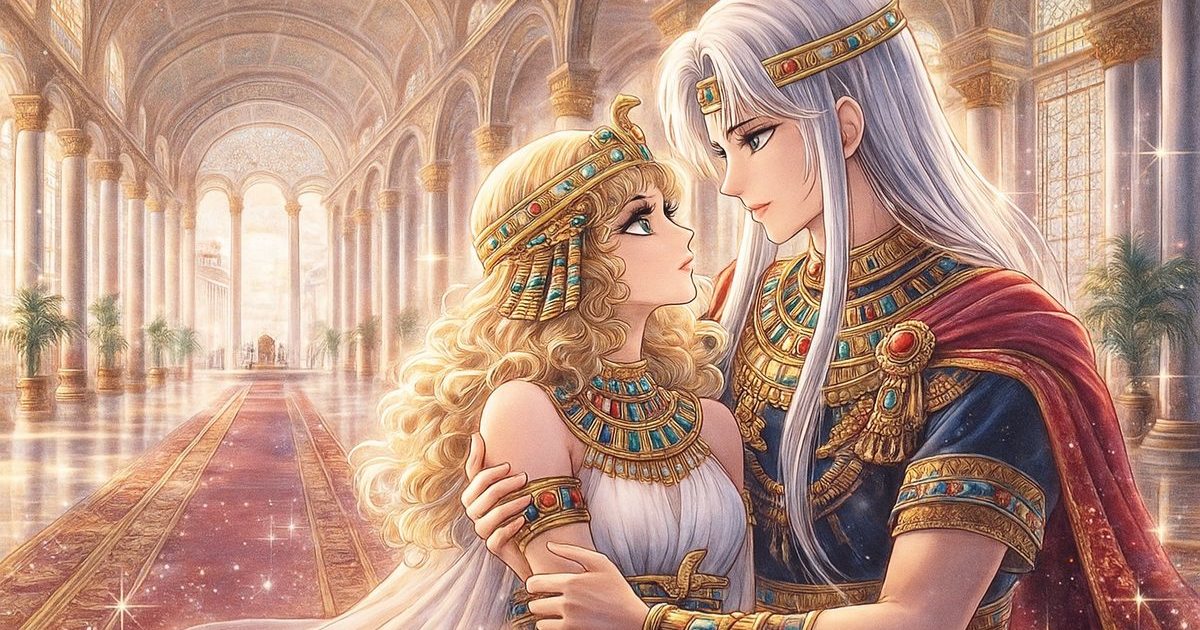
Harem in entertainment culture
In modern entertainment, especially in Japanese anime and manga, “harem” has become a popular genre and story setup worldwide.
If you are asking what is a harem in this context, it usually means one main character with multiple admirers or love interests.
The story often follows a male lead. He is surrounded by two or more female characters.
This creates romantic tension and more complex relationship dynamics.
This trope is not limited to male–female romance. It also appears in variations such as yuri harem, which focuses on relationships between female characters.
Another variation is yaoi harem, which centers on relationships between male characters.
What is a harem in anime?
A harem anime is a genre where one central character, usually a male lead, is surrounded by multiple potential romantic interests, often three or more. These characters compete for attention and affection, creating a love polygon filled with jealousy, misunderstandings, and emotional tension.
The tone is often romantic comedy and wish-fulfillment, but some series take a more dramatic approach.
Common variations include reverse harem (a female main character with several male love interests), yuri harem (female–female romantic interests) and yaoi harem (male–male romantic interests). I
n the end, the protagonist may choose one person, multiple people, or no one at all, but the core feature remains the same: a crowd of admirers driving the story forward.
Harem subgenres in anime and manga
In Japanese pop culture, harem is more than a single trope. It has multiple subgenres, each with a different tone and audience appeal.
Here are the most common harem types seen across anime, manga and global fandom communities.
- Traditional harem is a classic Japanese anime and manga setup where one male lead is surrounded by multiple female love interests, often creating rivalry, misunderstandings and romantic tension.
- Reverse harem is the gender-flipped version, where one female protagonist attracts several male suitors, common in shōjo and romance titles and popular with global audiences.
- Ecchi harem is a harem story with fan-service, mixing romance with suggestive comedy and “accidental” awkward scenes, usually kept light rather than serious
- Battle harem is a harem storyline inside an action or fantasy plot, where the main character fights enemies or uses special powers, and relationships grow during training, quests, or wars.
- Slice-of-life harem is a softer, everyday style, focusing on school life, daily routines, and slow relationship development, often set in modern Japan or similar contemporary settings.
- Isekai harem is a harem in another world, where the protagonist is transported or reincarnated into a fantasy realm and builds relationships with multiple characters in that new setting.
- Yuri harem is a harem variation centered on female–female romance, where one character is surrounded by multiple female admirers, common in yuri-themed anime and manga communities.
- Yaoi harem is a harem variation centered on male-male romance, where one character draws multiple male love interests, often discussed within BL (Boys’ Love) fandom spaces.
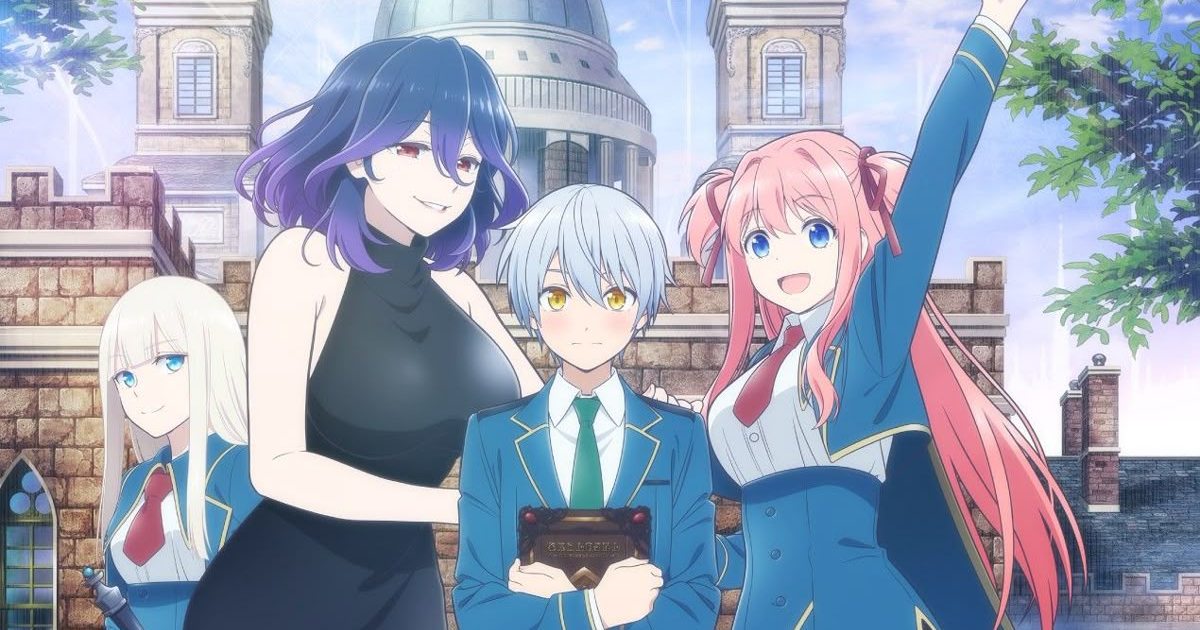
Why is harem popular worldwide?
To understand the global appeal, it helps to ask what is a harem in modern entertainment.
In anime and manga, it is usually a story format where one main character attracts multiple love interests. This setup travels well across cultures because it is flexible and easy to adapt to different genres.
Engaging, flexible storytelling
Harem plots can be light and funny, or dramatic and emotional. They can also fit fantasy, school life, sci-fi, or adventure. This variety keeps the story feeling fresh.
A wide cast with distinct personalities
Harem series often introduce characters with very different traits. Some are shy, some confident, some cute, some mysterious. This diversity creates strong character chemistry and keeps viewers curious.
A strong mix of comedy and romance
Many harem stories rely on awkward misunderstandings and competing feelings. The main character has to navigate multiple relationships, which creates humor and romantic tension.
Escapism and wish-fulfillment
Harem settings often feel idealized. They let audiences step away from daily pressure and enjoy a more playful, comforting world.
Positive themes around connection
Even with messy emotions, many series highlight friendship, empathy, and emotional support. Some stories add sincere lessons about love and personal growth.
The global spread of Japanese pop culture
As Japanese anime and manga expanded worldwide through streaming, fandoms, and conventions, harem became more visible.
Japan’s entertainment industry also experiments with romance, gender dynamics, and fan-service in ways that attract many international audiences.
If you are wondering what is a harem, the answer often depends on context. In modern entertainment, it usually describes a story setup where one main character is surrounded by multiple love interests.
How has harem influenced Japanese culture?
To discuss cultural impact, it helps to clarify what is a harem in Japan today. I
n anime and manga, it is a popular story format where one main character attracts multiple love interests, often mixing romance, comedy and character-driven drama.
Boosting Japan’s creative industries
Harem titles are a major part of the anime and manga market. They help Japanese entertainment reach international audiences through TV, streaming and global fandoms.
Successful series also drive large “media mix” sales, including figures, apparel, mobile games, and licensed merchandise.
Reflecting and shaping youth social values
Many harem stories explore themes like friendship, emotional support, jealousy, and social pressure.
Even when exaggerated, these narratives can mirror how young people in modern Japan think about relationships, identity, and group dynamics.
Creating a global pop-culture phenomenon
Harem has become a recognizable Japanese trope worldwide. Characters, catchphrases and archetypes travel easily across borders, helping Japanese pop culture connect with audiences in Asia, North America, Europe, and beyond.
Influencing consumer trends and fandom language
The popularity of harem supports collector culture and fandom spending, from character goods to limited-edition collaborations.
It also reinforces global fan vocabulary tied to Japanese media culture, including widely used terms linked to anime communities.
Supporting Japan’s national image and soft power
International interest in anime and manga strengthens Japan’s cultural visibility.
This visibility can support tourism and cultural promotion, as anime characters and franchises are often used in campaigns, events, and collaborations that showcase Japan’s creative identity.
Tips for watching harem anime and manga
Before you start, it helps to understand what is a harem in anime and manga. In modern Japanese entertainment, it usually means one main character surrounded by multiple love interests.
Because the tone and content vary by country, platform, and rating system, a few basic checks can improve your viewing experience.
- Check the age rating: Some harem titles (especially ecchi) include sexual content or fan-service.
- Know the cultural context: Many jokes and norms come from Japanese culture, so scenes may feel different outside Japan.
- Keep it as fiction: Harem stories are exaggerated for fun. Don’t use them as real relationship “rules.”
- Watch your mindset: Romance tropes can influence how you think about love and friendship. Stay balanced.
- Pick wisely: Use tags, reviews, and ratings to choose series that fit your taste and comfort level.
FAQs – Some frequently asked questions related to What is a harem
In this FAQ section, we answer the most common questions people ask when searching for what is a harem. These quick explanations cover history, modern meanings, and how the term is used in anime, manga, and everyday language.
What does having a harem mean?
Technically a harem is just a living space for women in a society that tends to separate men and women, but when we use harem, we’re often using it in the sense of a room full of women that serve someone powerful, often in a sexual way.
What does it mean if a man has a harem?
In English the term harem can mean also “the wives (or concubines) of a polygamous man.”
What was the purpose of a harem?
The purpose of a harem is to protect women from inappropriate contact with men. Closely linked with the term haram, meaning forbidden, the word conveys a sense of sacredness and inviolability.
Only husbands and relatives may enter this part of the home. Harems existed in the Middle East long before the rise of Islam.
Is harem anime always about romance?
Not always. Romance is the core, but many harem anime also focus on comedy, school life, fantasy, or action, with the romantic competition running in the background.
What is the difference between a harem and a love triangle in anime?
A love triangle usually involves three people. A harem setup typically features one main character with three or more love interests, creating a larger “love polygon.”
Do harem anime usually have a clear ending couple?
It depends on the series. Some end with one chosen partner, some stay open-ended, and a few use a “multiple endings” approach across different versions or adaptations.
In short, what is a harem depends on context. It can refer to historical private women’s quarters, a group structure in animals or a popular anime and manga trope. Knowing the difference helps you understand the term clearly and avoid confusion.
