
Not all anime are based on manga: anime can be adapted from manga, light novels, novels, games/visual novels, or be an original anime.
You can identify an anime’s origin by checking the “Source/Based on/Original” label, looking it up on AniList/Wikipedia and reviewing the end credits.
Manga adaptations remain common because they’re lower-risk, easier to market, and create a strong synergy where manga and anime boost each other.
Whether you should watch anime first or read manga first depends on what you prefer. If you want a vivid, immersive experience, watch anime; if you want more detail and control over pacing, read manga.
Explore “are all animes based on manga” with HariManga in the article below to understand anime origins clearly and choose the best watch/read approach for you.
Are all animes based on manga?
Although manga adaptations are common, not every anime is based on manga. Anime can also be original works or adaptations from light novels, novels, and games/visual novels.
Because many famous anime were produced after their manga had already built a story and fanbase, beginners often assume “every anime has a manga.”
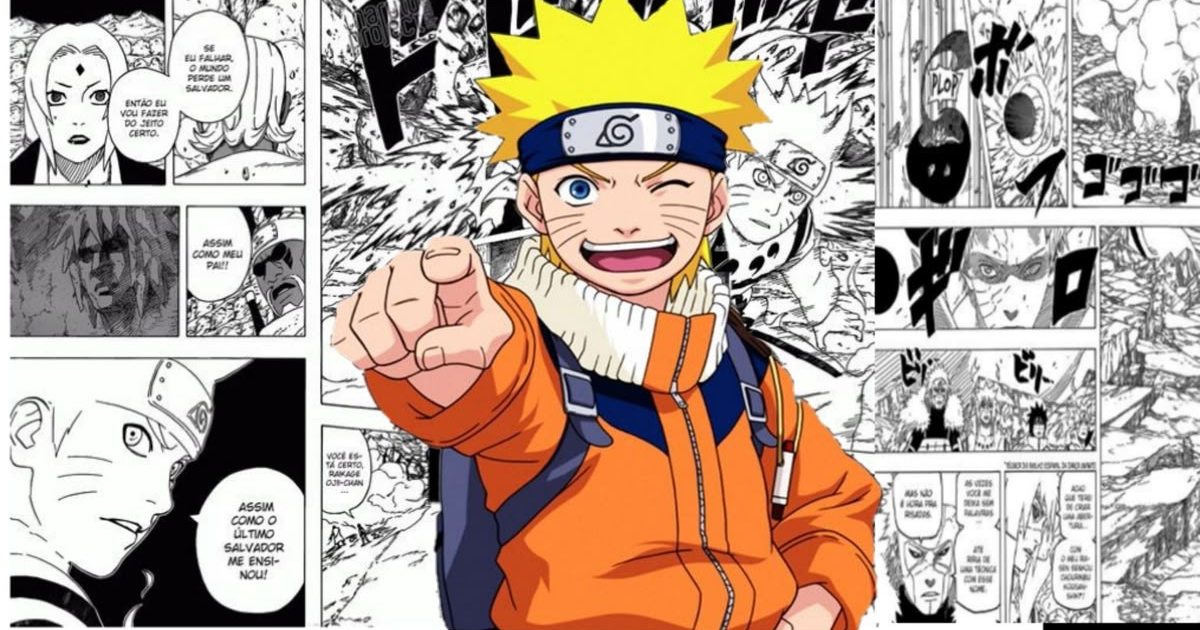
What sources can anime come from?
Below are the most common origins, along with quick clues to help you identify them:
- Adapted from manga: Often labeled “based on the manga…” or shows 原作 plus the mangaka/publisher in the credits.
- Adapted from a light novel: Light novels are popular Japanese novels (often with manga-style illustrations) and are frequently adapted into manga/anime. Example: Sword Art Online is clearly labeled as an anime adaptation from a light novel.
- Adapted from a game/visual novel: Some anime are adapted directly from games, especially visual novels. Example: Steins;Gate (TV series) is described as an adaptation of the visual novel.
- Original anime: Created specifically as an anime from the start, not based on any existing manga/novel/game; original works have always existed alongside adaptations in anime history.
How to tell whether an anime is based on manga
If you’re researching “are all animes based on manga”, the next essential skill is checking an anime’s source material. Here are fast methods that work well when you’re watching or searching from Vietnam.
Quick check for “are all animes based on manga”
- Open the anime’s page → look for “Based on/Source/Original.”
- If it’s not shown → check AniList (the “Source” field).
- To confirm → cross-check Wikipedia or review the end credits.
Check “Source material” information
Look for “Based on…” / “Source” / “Source material” on the official description page. This usually states manga / light novel / novel / game / original.
Use a reliable database that lists Source. For example, AniList lets you filter by source type and explicitly describes the source the media was adapted from.
Check Wikipedia (“Based on” or the production/overview section). Wikipedia also notes that anime can be original works or adapted from manga, light novels, and video games, so the source is often clearly stated per title.
Content clues (helpful, but not a replacement for “Source”)
Compressed pacing / skipped arcs: Anime may “package” content to fit episodes/seasons, moving faster and trimming inner monologues or smaller details compared to the original.
Filler (sometimes): “Filler” generally refers to added content used to extend runtime, often when the anime needs to avoid catching up to the ongoing source material.
Common signs: an arc that feels disconnected from the main storyline, has little impact on overall plot progression, or introduces events that are rarely mentioned again later.
Marketing/official materials (posters, trailers, websites, press kits)
Official posters/trailers/websites often explicitly say “Based on the manga…”, “Based on the light novel…”, or “Original” for original anime.
Check the credits (opening/ending): if you see something like “based on … by …” / “original work …” plus the author/publisher, it’s almost certainly adapted from a source.
If the official page doesn’t state the source clearly, go back to step 1 and verify through AniList or Wikipedia.
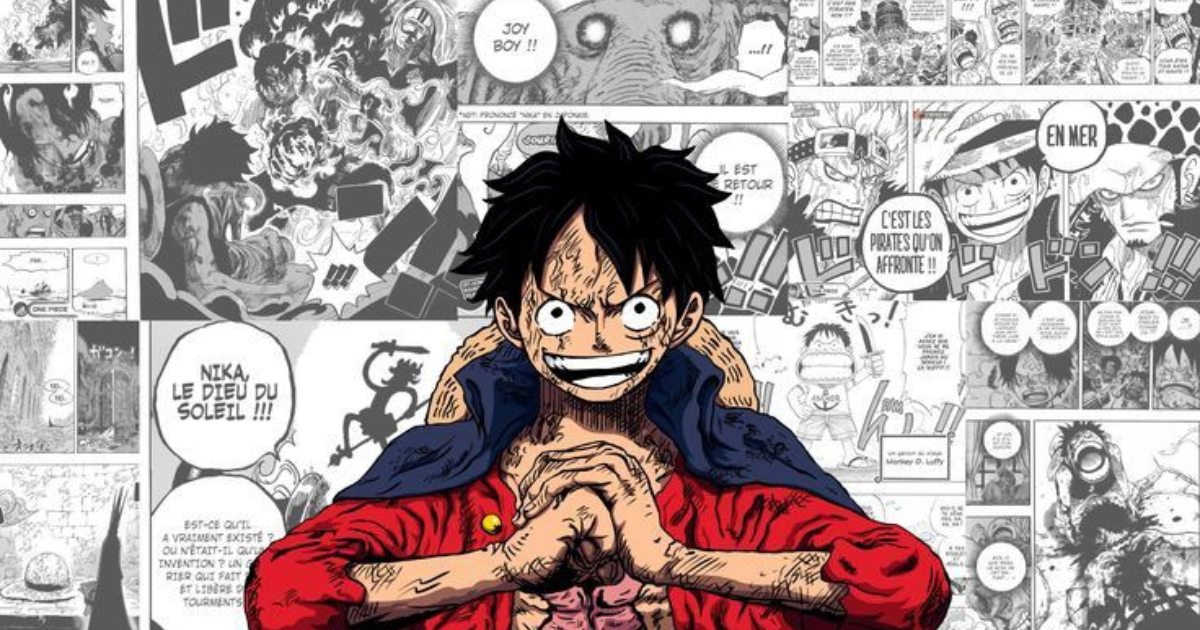
Why do manga adaptations still dominate?
Even though not all anime are based on manga, manga adaptations remain popular because they are both safer for producers and mutually beneficial for both mediums.
Market and production reasons
- Lower risk: The manga already has a proven story and an audience.
- Easier marketing: A built-in fanbase helps an anime gain attention quickly.
- More revenue opportunities: It’s easier to expand into figures, merchandise, games, events, and other commercial products.
Benefits for both manga and anime
- Anime boosts manga sales: After watching, many people return to the manga to continue the story or read the more detailed version.
- Manga supports anime production: It provides a strong foundation—characters, worldbuilding, and a clear storyline, making adaptation smoother.
Can manga be made from anime?
Yes. It’s not only that manga gets adapted into anime, there are also cases where an original anime (not based on an existing manga) later receives a manga version.
Sometimes anime and manga are also developed in parallel from the same original IP, meaning the adaptation order can be reversed and is not fixed.
Common cases:
- Anime adapted from manga (most common): A successful manga is turned into an anime by a studio.
- Manga adapted from anime (less common): An original anime becomes popular, then a manga version is created to meet fan demand or explore the story further.
- Simultaneous releases from an original IP: Anime and manga (or novels/games) are developed alongside each other from the same brand or concept.
Should you watch anime first or read manga first?
This depends on what kind of experience you want.
If you want a vivid, immersive experience with motion, music, and voice acting, watch anime first.
If you want more detail, the creator’s original pacing, and flexibility, read manga first.
Watch anime first if you:
- Want color, animation, music, and voice acting to hit emotions faster.
- Like to relax after school/work or watch with friends.
- Want to test whether a series fits your taste before committing to a long read.
Read manga first if you:
- Want the closest version to the source with more detail and inner monologues.
- Want to get ahead of the story (often faster than waiting for seasons).
- Need flexibility: quick sessions, easy rereading, and fast access to specific scenes.
If you fear spoilers, reading manga first usually reveals the story earlier; if you want the surprise and emotional impact, watch the anime first.
If you dislike filler or slow pacing, read the manga for the main plot first, then watch the anime for highlight scenes. If you like collecting and reading carefully, read the manga first and treat the anime as an “upgraded” experience with visuals and sound.
In short, there’s no single right answer: if you prefer a vivid viewing experience, start with anime; if you prefer detail and control, start with manga.
FAQs – Frequently asked questions
Below are some common questions to help you better understand manga, anime, and the differences between the two.
What is anime original?
An original anime is created specifically as an anime from the start and is not based on an existing manga/light novel/game.
Is manga the same as anime?
No. Manga is comics you read, while anime is animation you watch.
Do all anime series have manga versions?
No. Many anime, especially original anime, do not have manga. Some may get a manga later (a reverse adaptation), but it’s not required.
How is an anime adaptation of a light novel different from a manga adaptation?
What’s the difference between manga and anime?
Manga is Japanese comics you read (often more detailed and pace-controlled), while anime is Japanese animation you watch (more vivid with color, motion, music, and voice acting).
In short, “are all animes based on manga”. The answer is no. Many anime are adapted from manga, but many others come from light novels, games or are original works.
If you want to be sure, check the “Source/Based on” label to see what the anime is based on and visit HariManga for more updates and recommendations.
