
Isekai is a Japanese fantasy genre where the main character is transported, summoned or reincarnated into another world, often using old-life skills to survive and grow stronger.
The article also covers its Western roots, its major growth in Japan, key milestones and subgenres, popular titles and why isekai appeals worldwide through escapism, adventure and “zero-to-hero” storytelling.
Read Harimanga’s article to fully understand what is isekai and discover many more top isekai anime, manga and subgenres.
What is isekai?
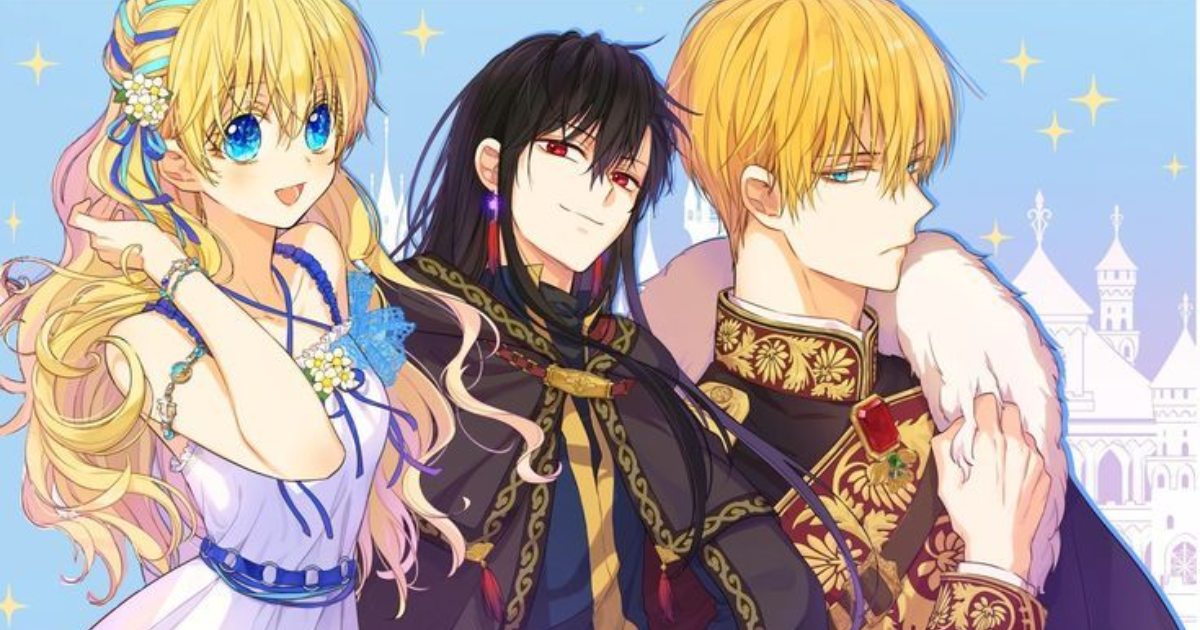
Isekai (異世界) literally means “another world” in Japanese. In storytelling, isekai is a Japanese fantasy genre where the protagonist leaves the real world and enters a new world.
This can happen through an accident, a summoning or reincarnation.
If you are searching what is isekai, here is the usual formula:
- A normal person enters a completely new world.
- They keep skills or knowledge from their old life.
- They must survive, adapt and grow stronger.
- Many stories push a strong “escape from reality” feeling.
Where did isekai first appear?
The idea of “another world” is not only Japanese. It has older roots in Western literature.
Japan later developed isekai into a clear, recognizable genre within modern pop culture.
- Classic Western roots: Stories like Alice’s Adventures in Wonderland (Lewis Carroll) and The Wonderful Wizard of Oz (L. Frank Baum) feature characters entering strange, magical worlds.
- Modern Japanese development: Even with Western inspiration, the term “isekai” and many genre conventions became strongly shaped by Japanese anime, manga and light novels.
A brief history of isekai
These milestones show how the genre grew over time:
- 1992-1996: Early anime blended isekai with romance. A girl is pulled into a book-like fantasy world.
- 2000s: The genre expands. Titles like The Twelve Kingdoms (2002) and Noein (2005) help isekai gain broader attention.
- 2012: Sword Art Online becomes a global hit and triggers a major isekai boom.
- 2016: Re:Zero − Starting Life in Another World adds a “restart / return-by-death” style and refreshes the genre.
- 2018-2021: More standout works appear, including That Time I Got Reincarnated as a Slime (2018) and Mushoku Tensei: Jobless Reincarnation (2021).
Key characteristics of the isekai genre
So, what is isekai in terms of structure and style?
These are the most common elements:
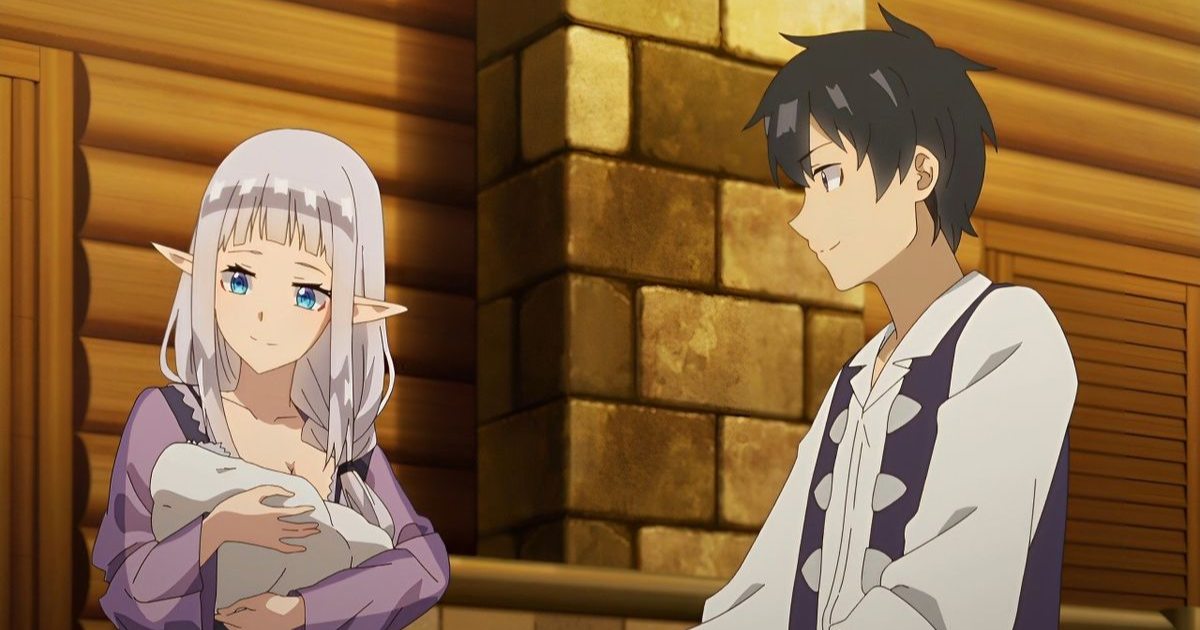
- Main character: Often an ordinary person. A student, gamer, or office worker. They are suddenly sent to a new world.
- New world setting: Usually fantasy. It may feel like a game world (LitRPG). Magic systems, monsters and different races are common.
- Story arc: The protagonist gains special power or a rare advantage. They start over. They train, fight, complete quests, or even save the world.
- Why people enjoy it: Isekai offers escapism, adventure and the fantasy of becoming a hero in a limitless world.
- Common variations:
- Tensei isekai: Reincarnation into a new life.
- Reverse isekai: A fantasy-world character comes to the real world (example: The Devil is a Part-Timer!).
Popular isekai subgenres
Isekai is not one fixed style. It has many subgenres with different moods and themes:
- Tensei (reincarnation): The protagonist dies in the old world and is reborn in a new one, often with past-life memories (example: Mushoku Tensei).
- Reborn as a creature or object: The character reincarnates as something non-human, like a slime, a spider, or another being (example: That Time I Got Reincarnated as a Slime).
- Cooking isekai: Focuses on food, cooking and discovering new cuisine in another world (example: Isekai Shokudou / Restaurant to Another World).
- Game-like isekai (LitRPG): The world uses levels, stats and skills like a video game (example: Sword Art Online).
Top 10 isekai reincarnation anime
Here are 10 isekai anime titles that audiences often rate highly:
- Hataraku Maou-Sama! (2013)
- Log Horizon (2013)
- Re:Zero kara Hajimeru Isekai Seikatsu (2016)
- KonoSuba: God’s Blessing on this Wonderful World! (2016)
- Isekai Shokudou (2017)
- Youjo Senki (2017)
- Tate no Yuusha no Nariagari (2019)
- Ascendance of a Bookworm (2019)
- Tensei-shitara Slime Datta Ken (2018)
- Kumo desu ga, Nani ka? (2021)
Top 10 isekai manga today
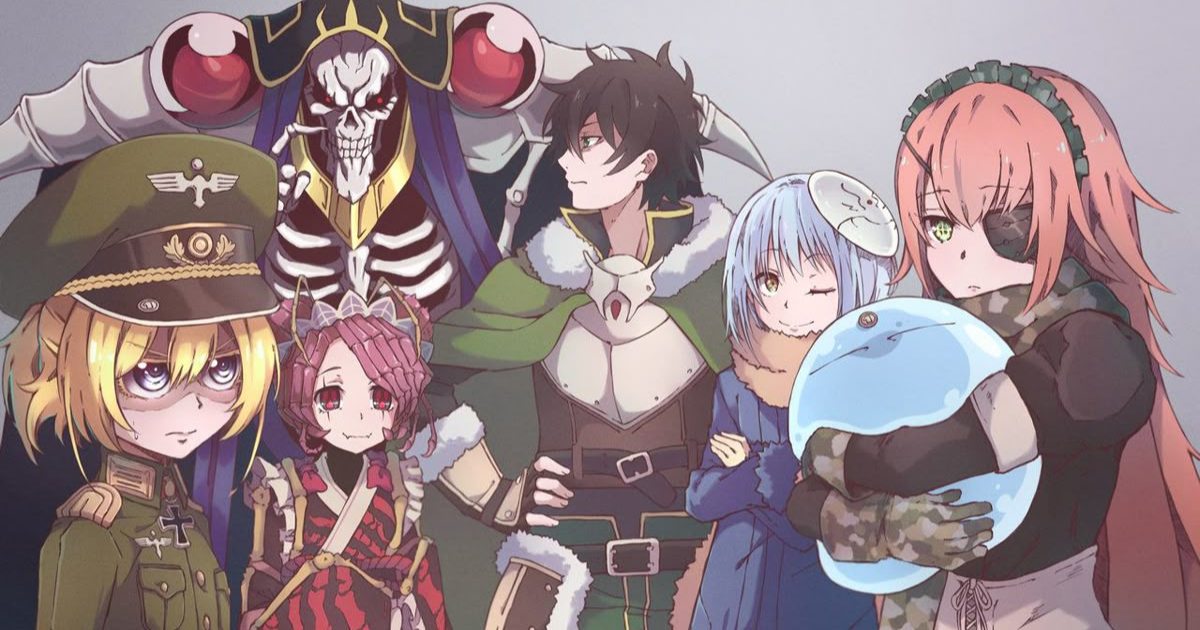
Here are 10 isekai manga that readers in Japan are said to enjoy:
- Drawing: Saikyō Mangaka wa o Oekaki Skill de Isekai Musō Suru!
- Toàn Cầu Dị Năng: Tôi Kiểm Soát Tất Cả Nguyên Tố
- Toàn Cầu Ngự Quỷ: Vạn Quỷ Trong Ta
- Có Điên Mới Là Thánh, Ta Là Thần Y
- Tono No Kanri O Shite Miyou
- Record of Wortenia War
- Arifureta Shokugyou De Sekai Saikyou
- Murabito Desu Ga Nani Ka?
- Moon-led Journey Across Another World
- I Became the Strongest With The Failure Frame
Why is isekai so popular?
Many fans look up what is isekai because the genre speaks to modern audiences across Asia, Europe and the Americas.
These are key reasons it keeps growing:
- A new world to explore: Other worlds feel mysterious. Anything can happen.
- Escapism: It offers a break from real-life stress. It gives a fresh start fantasy.
- Character growth: The protagonist often rises from “zero to hero.” That journey is satisfying.
- Creative freedom: Isekai blends easily with action, comedy, romance and game systems. This keeps the genre diverse.
FAQs about what is iskai
Below are quick answers to the questions people most often ask when searching what is isekai.
These FAQs cover meaning, common tropes and how the genre is used in anime, manga and games.
Is isekai only found in anime?
No. Isekai appears in anime, manga, light novels, web novels and many Japanese-style video games.
What does “isekai” mean in Japanese?
“Isekai” (異世界) means “another world” or “a different world.”
What is the difference between isekai and reverse isekai?
In isekai, the main character goes to a fantasy world. In reverse isekai, a character from a fantasy world comes to the real world.
Is isekai suitable for children?
It depends on the title. Some isekai is family-friendly, but others include violence, fan-service, or mature themes, so checking the age rating is important.
Can isekai have a sad ending?
Yes. Some stories end tragically or leave an unpredictable, open ending.
This Harimanga article explains what is isekai through its definition, origins, history and major subgenres. It also highlights why isekai keeps expanding worldwide. The mix of fantasy, action and escapism makes the genre especially addictive for many fans.
